Why is the first race often unpredictable in Formula 1?
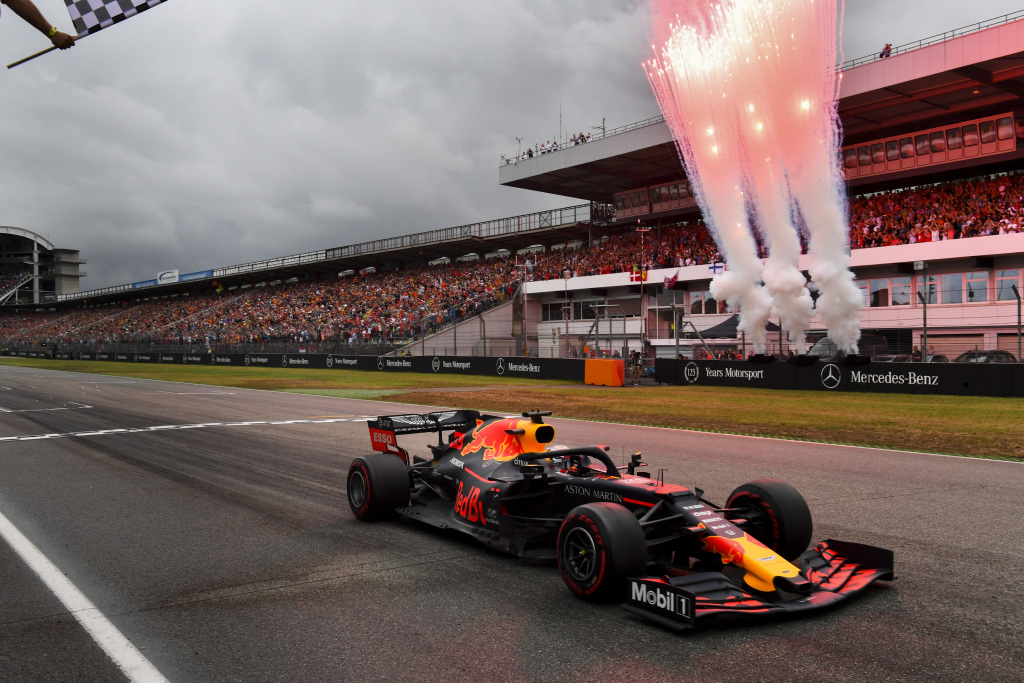
The first race of a Formula 1 season is often unpredictable because teams start with brand-new cars that have not been fully tested in real race conditions. Each team brings major upgrades, making it difficult to determine who has the advantage until the race ends.
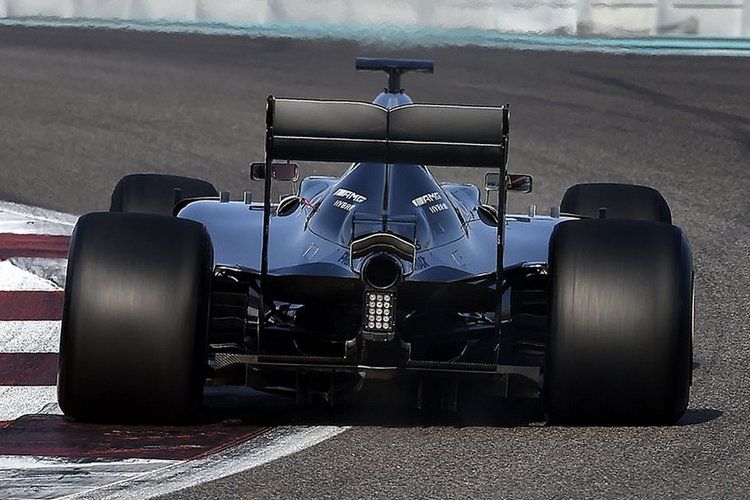
New technical regulations introduce further uncertainty. For 2026, cars feature active aerodynamics, narrower tyres, and lighter designs, requiring teams to adapt quickly. Pirelli's new range of tyre compounds, with larger differences between them, create new strategic possibilities for the first race.
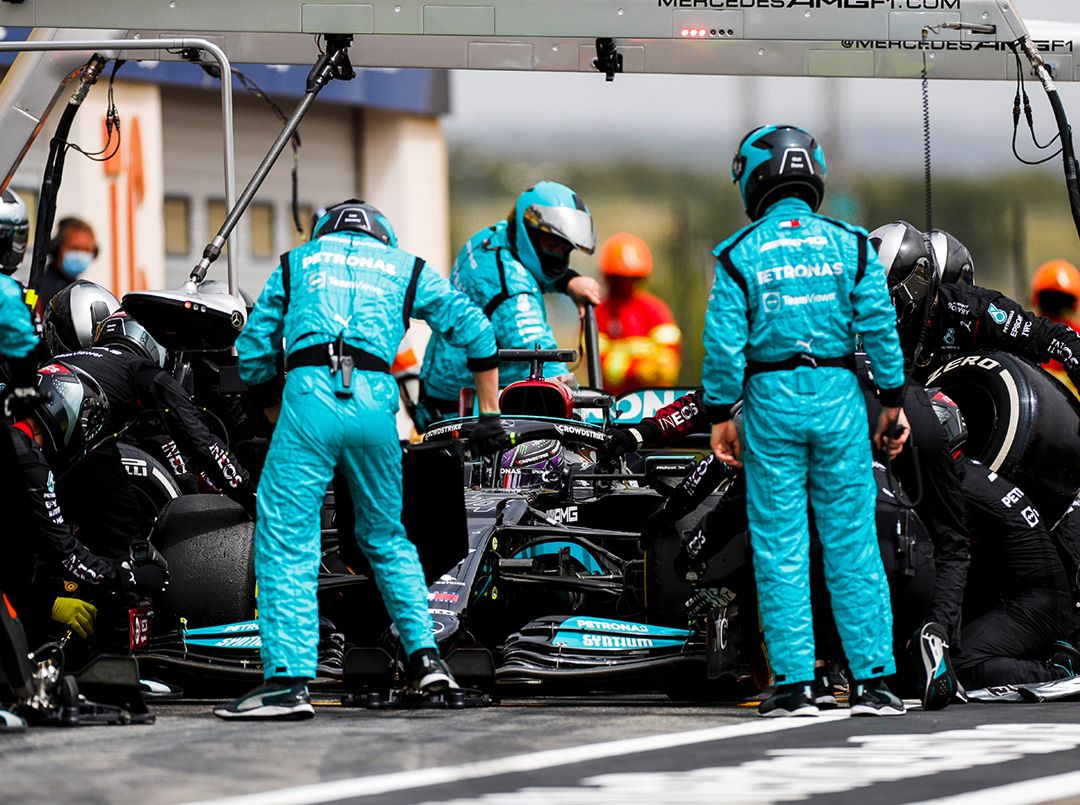
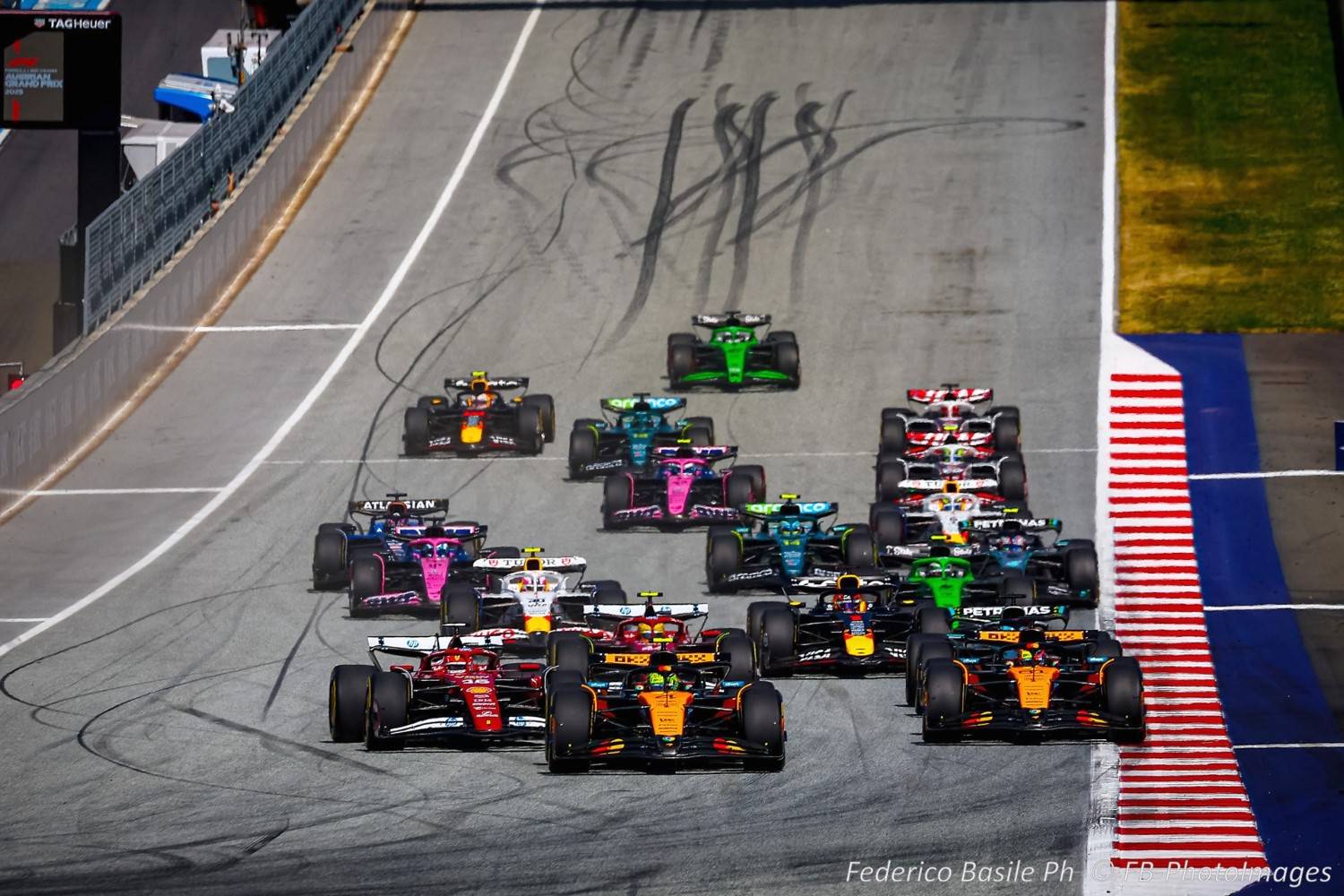
The opening track, such as Albert Park in Australia for 2026, typically has limited preseason testing. Teams gather data on tyre wear, grip, and balance during Friday practice sessions. Past races in similar conditions have shown variable weather, forcing tire strategy shifts and affecting race order.
Driver performance is another unpredictable element. After the off-season, some drivers excel early while others take longer to adapt. With C3 as the hard tyre, C4 medium, and C5 soft for Melbourne, races often require two or more stops, especially if weather changes occur.
In summary, limited testing, new regulations, track unfamiliarity, and weather conditions all contribute to the high unpredictability of the first Formula 1 race, making it a true test of preparation and quick decision-making.
References: Formula1.com; Pirelli Press; Motorsport.com.