Why do midfield gaps change so much early in the Formula 1 season?
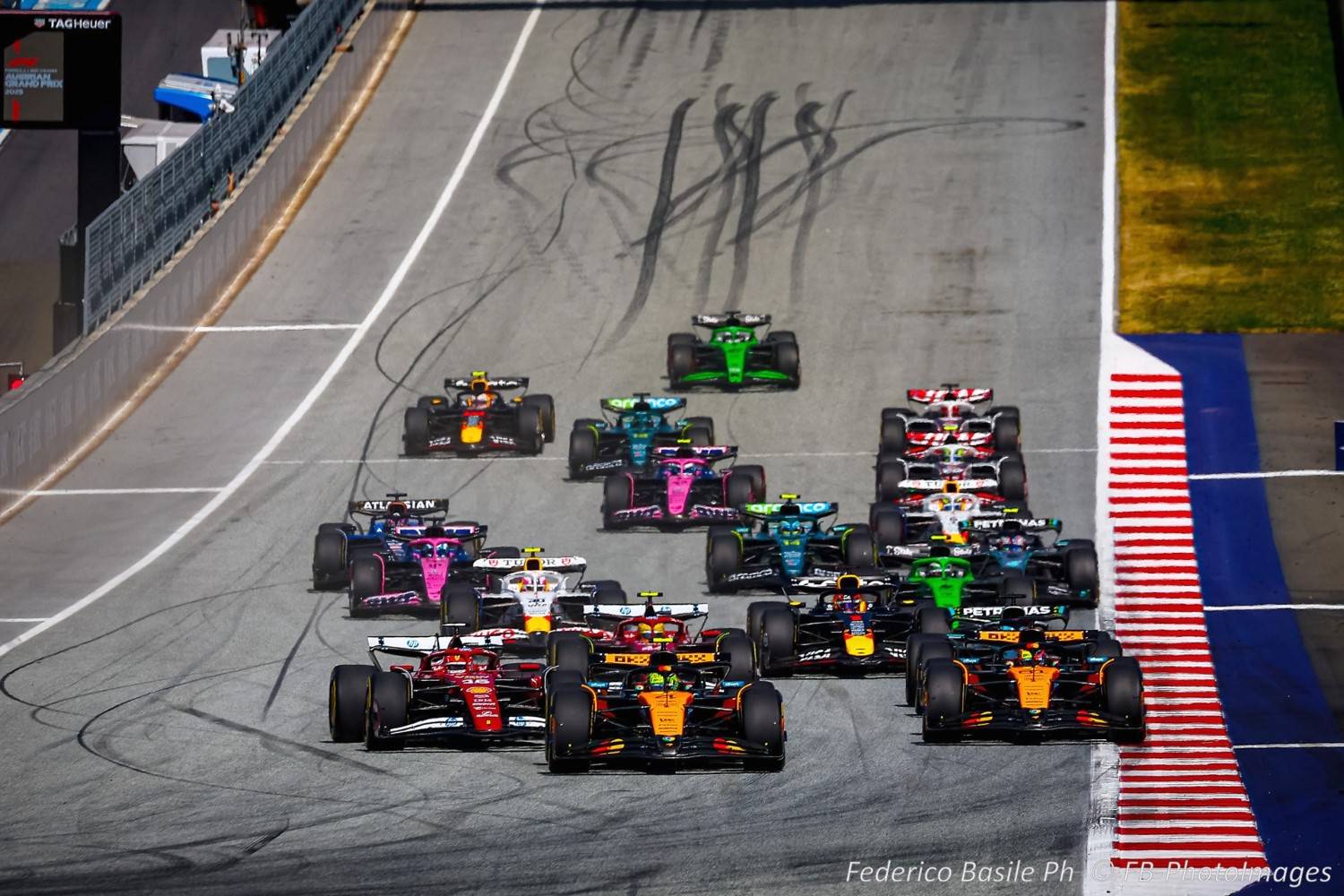
Midfield gaps in Formula 1 change a lot early in the season because teams are still learning their new cars. Every year brings big updates to aerodynamics and power units. This means setups need fine-tuning for each track.
Tire performance plays a huge role too. Drivers and engineers test how compounds like Pirelli's C1 to C5 behave with fresh car designs. Early races show big swings as teams find the best pressures and temperatures. For example, the first few Grands Prix help Pirelli check graining and overheating differences across all slicks.
Track conditions evolve fast. Clean air at the start rubs off rubber, speeding up later laps. Midfield teams chase small gains in downforce or straight-line speed, which show up more in the close pack.
Winter testing gives a start, but real race data reveals surprises. Low fuel runs in practice differ from full race stints. Strategies vary as teams adapt to rivals' pace.
By mid-season, gaps settle as development paths clear up. Early chaos makes midfield racing exciting.
References: Formula1.com; Pirelli Press; Autosport; Motorsport.com.