What makes a formula 1 car strong on high-speed tracks?
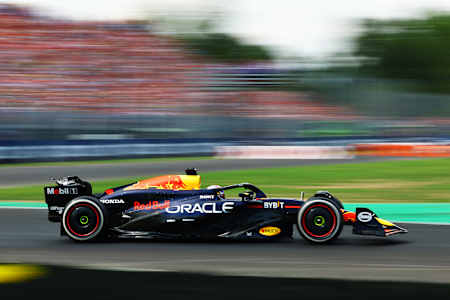
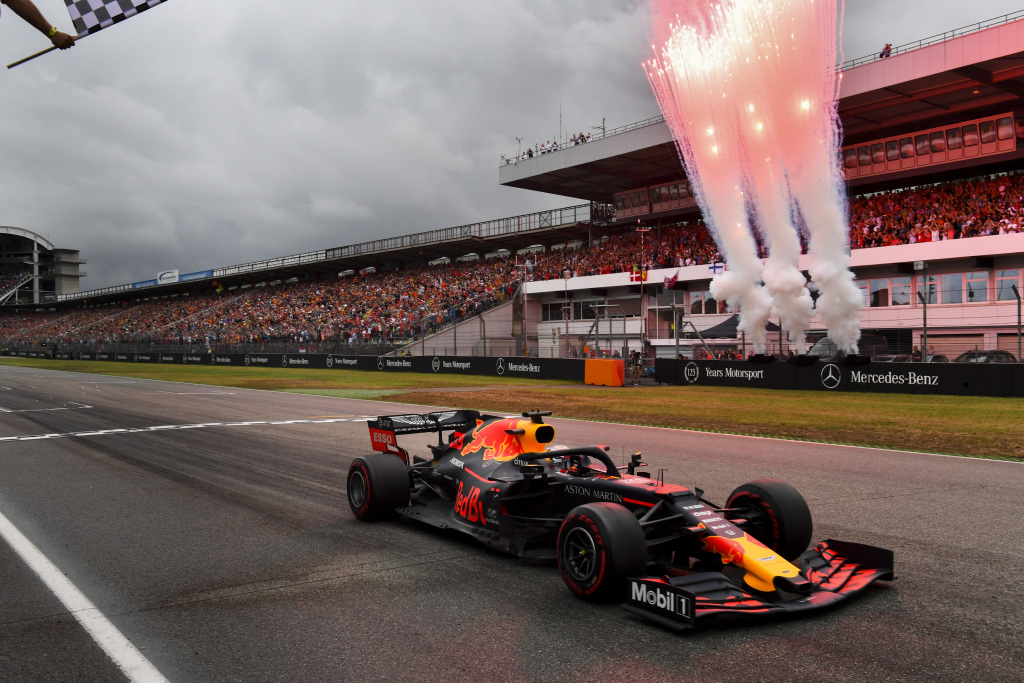
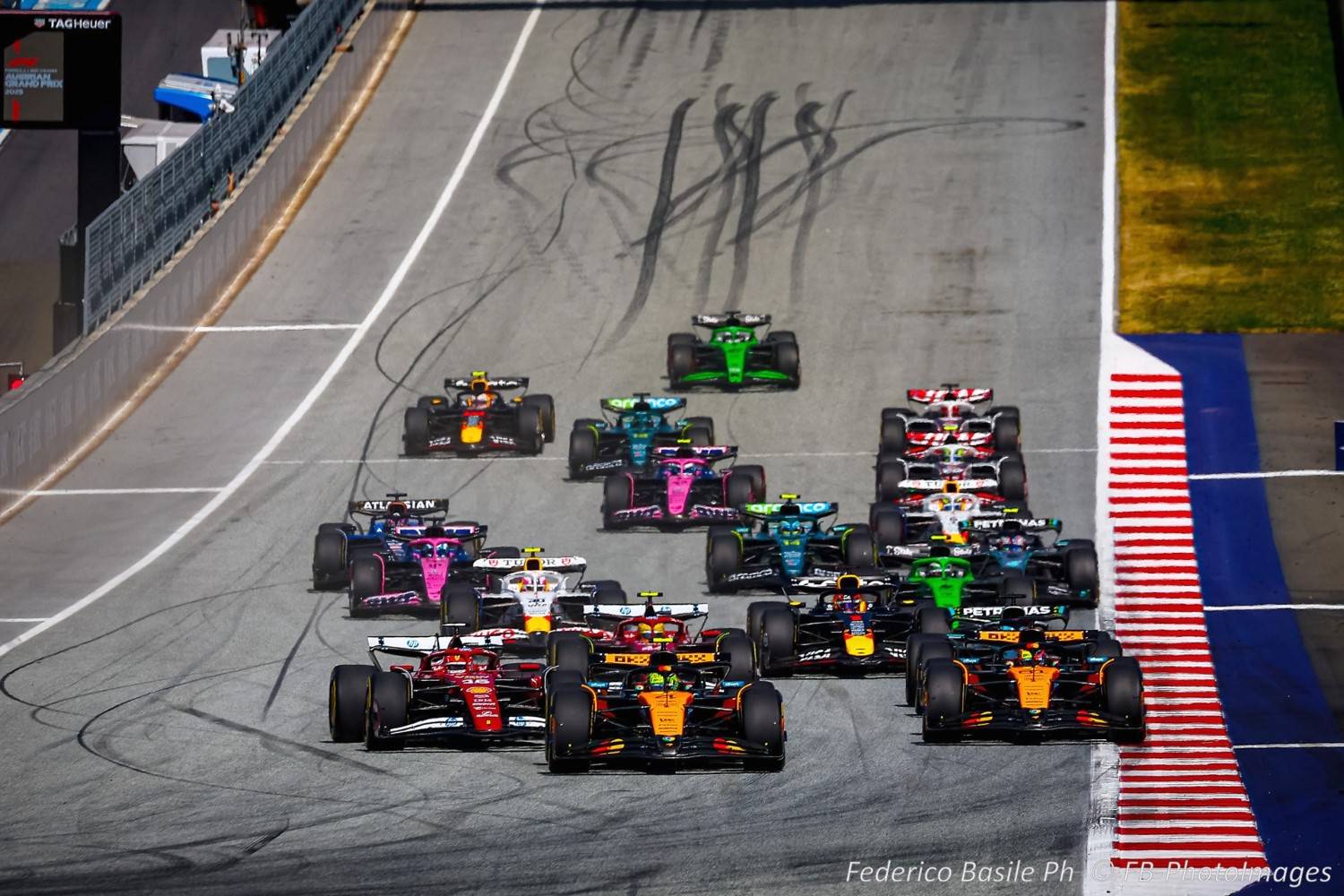
Formula 1 cars excel on high-speed tracks like Monza, Spa, and Silverstone due to smart setups that balance speed and control.
The main factor is aerodynamics. Teams reduce drag with low-downforce wings, decreasing air resistance and enabling cars to reach top speeds over 350 km/h on long straights. They also maintain enough downforce for stable cornering at high speeds.
Power units are also crucial. Efficient engines with strong battery deployment provide bursts of acceleration. Active aerodynamics, such as movable front and rear wings, help by closing on straights for less drag and opening in corners for better grip.
Suspension setup is important for handling high-speed bumps and kerbs without losing stability. Teams also optimize gear ratios for long straights.
Tyres impact grip at speed. Pirelli's compounds, which are narrower in 2026, need to resist overheating on fast tracks.
In summary, success on high-speed tracks depends on low-drag aerodynamics, powerful engines, and precise setups tailored to the circuit.
References: Formula1.com; FIA Technical Regulations; Pirelli Press; Motorsport.com.