How important is mechanical grip in Formula 1?
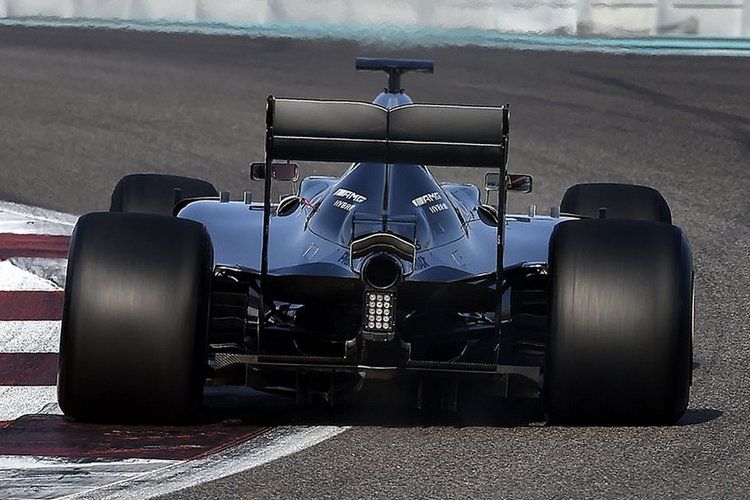
Mechanical grip is essential for Formula 1 performance. It results from tires pressing against the track surface and the design of the car's chassis. Unlike aerodynamic grip from downforce, mechanical grip is effective at low speeds and in conditions with disrupted airflow.
In Formula 1, tires provide most of this mechanical grip through their rubber compounds and contact patches. Pirelli's 2026 tires, which are narrower by 25mm at the front and 30mm at the rear, must balance this grip with new rules favoring lighter cars and reduced downforce. Teams adjust suspension and chassis setups to maximize tire contact, especially on bumpy circuits.
Mechanical grip is crucial for cornering, particularly in slow-speed turns such as Monaco’s hairpins. It helps reduce sliding, conserves tires, and improves lap times. With the introduction of active aerodynamics in 2026, mechanical grip will play a vital role in counteracting lower downforce levels on various circuits.
Teams continuously test and refine vehicle setups to optimize mechanical grip. Drivers perceive it as overall car balance. Without sufficient mechanical grip, even cars with advanced aerodynamics struggle in tight sections and low-speed corners.
References: Pirelli Press; Formula1.com; Motorsport.com; FIA Technical Regulations.