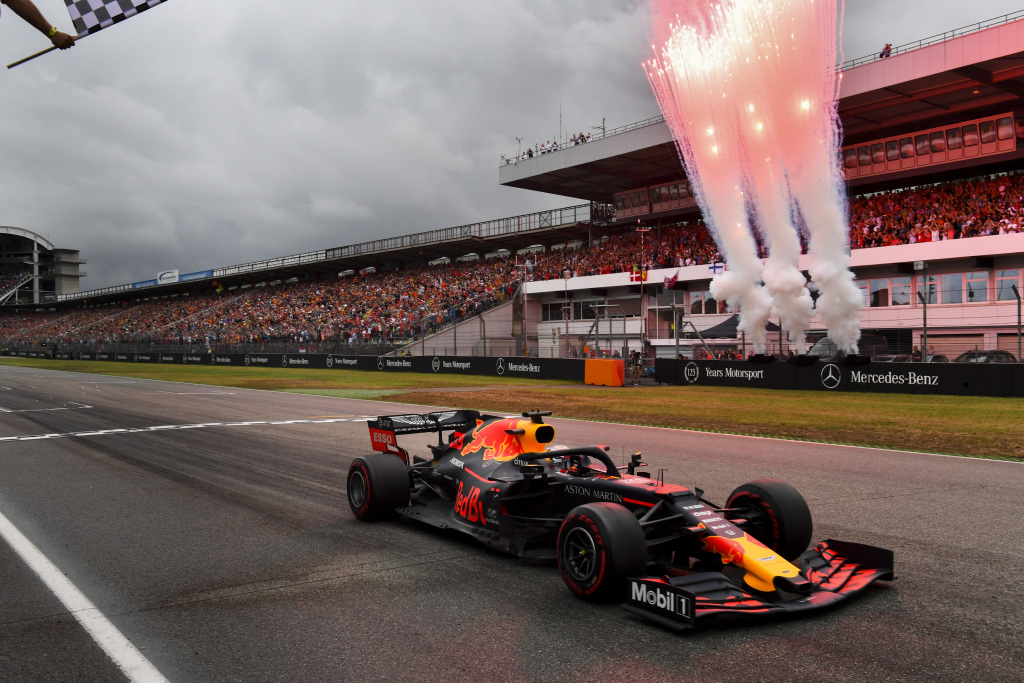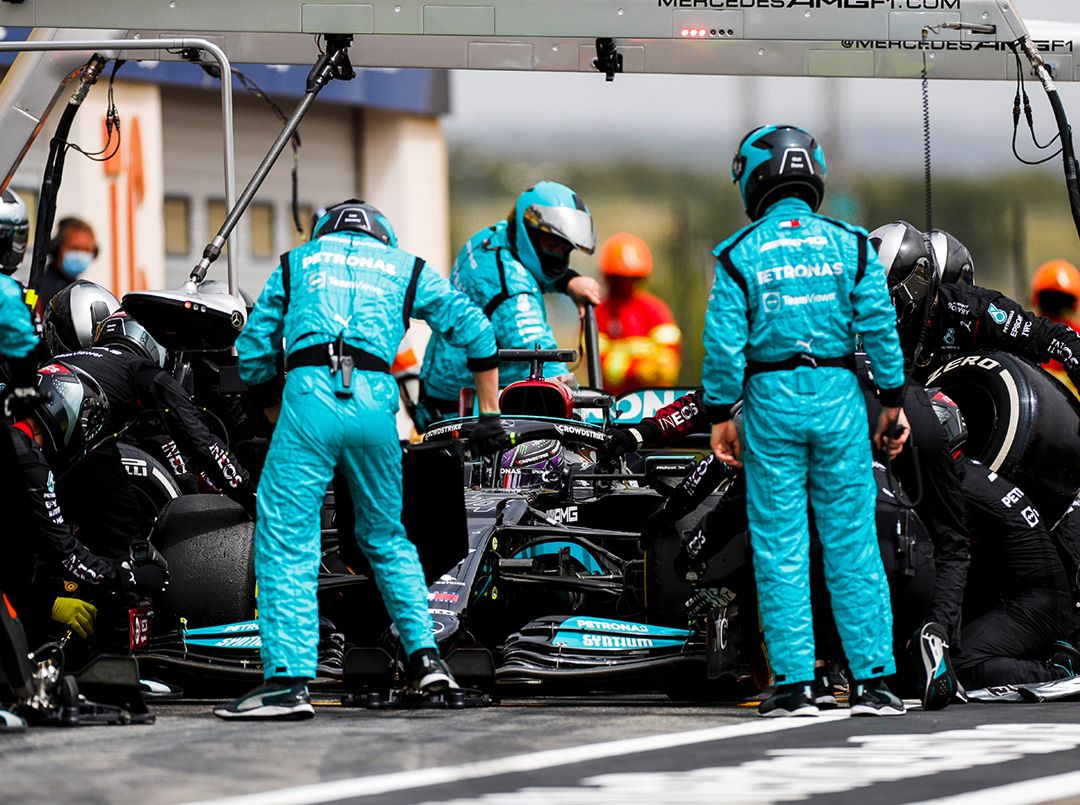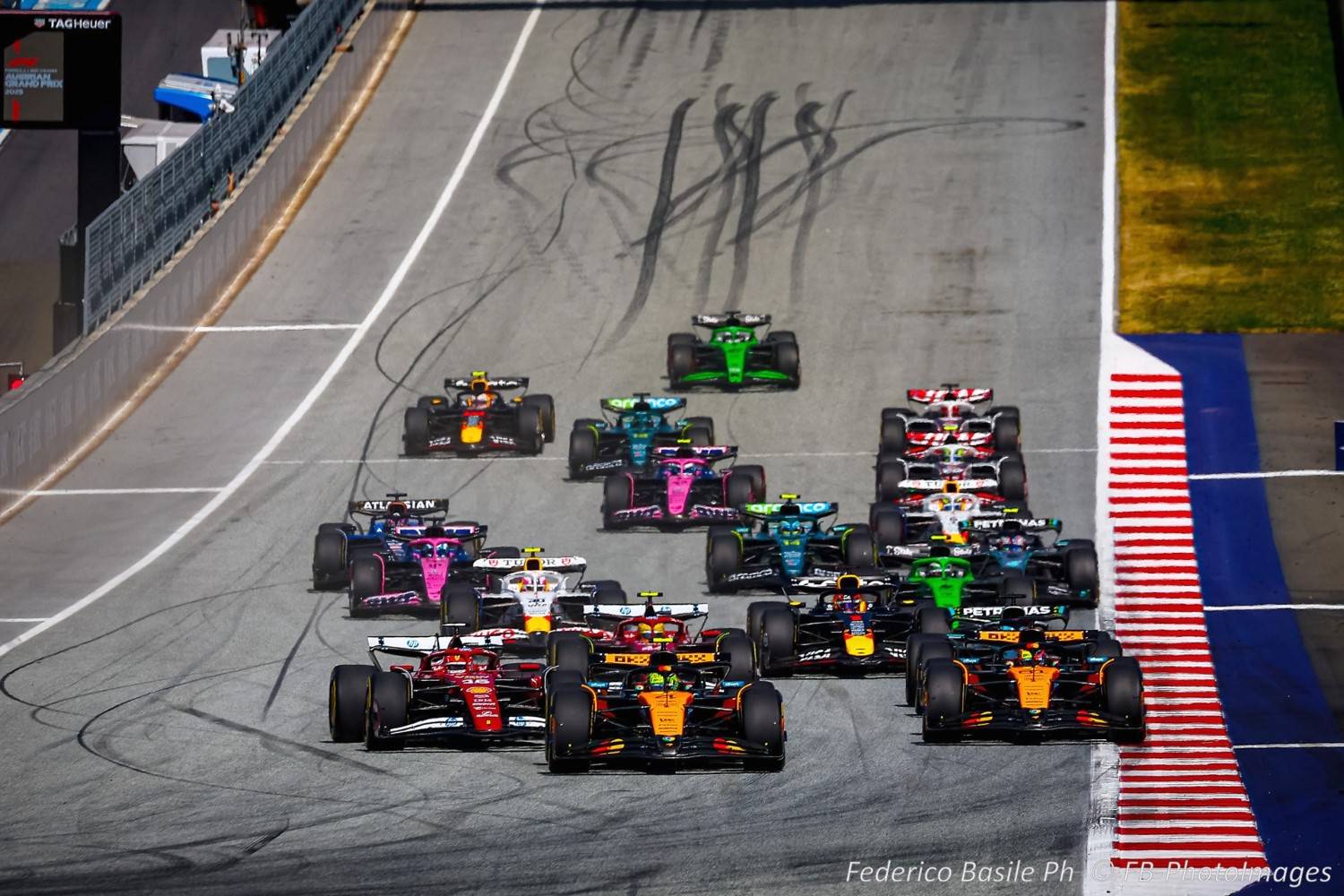
How important is car familiarity for F1 drivers?
Car familiarity is crucial for Formula 1 drivers because it enables them to optimize vehicle setup, adapt to its handling characteristics, and learn from direct experience like teammate successes or mechanical failures, directly boosting win probabilities and race performance.
Learning from Experience Enhances Performance
Drivers gain significant insights from racing the same car over multiple events, particularly through teammate wins and car failures. A teammate's victory increases a driver's chance of winning the next race by 1.8 percentage points, as teams share knowledge on setups and strategies—vital since both drivers' points contribute to the constructors' championship.[1] Car failures, which occurred in 30% of driver-race observations from 1950-2017, provide even stronger learning (1.9 percentage point win boost) via three mechanisms: abundant opportunities for analysis, high motivation to avoid repeats, and improved ability to adjust driving or setup. This familiarity allows personalization of car settings (e.g., chassis, engine, tires), balancing individual preferences with team goals, which sharpens performance in high-stakes environments.[1]
Impact on Reliability and Race Results
Familiarity translates to better reliability management, a key differentiator in results. For instance, Lewis Hamilton's edge over Max Verstappen stems partly from superior reliability (93% finish probability in a Mercedes vs. Verstappen's 89% in a Red Bull), even after controlling for team equipment—highlighting how driver-car synergy predicts outcomes like a 77% win chance for Hamilton/Mercedes against an average 2021 grid opponent.[2] Over time, as drivers master their car, they extract more from it compared to novices, evidenced by historical gaps where top drivers outperform teammates despite identical machinery (e.g., title winners beating teammates 70% of the time across seasons) Simulator work, testing, and race data further build this intuition, influencing setup and strategy to maximize points.
Driver vs. Car Balance
While car quality dominates modern F1 (overtaking driver skill historically), familiarity amplifies driver talent within a given machine, as seen in varied teammate results and studies showing drivers learn more from car issues than personal errors.[1][2][3] In eras with tighter car performance spreads, this edge becomes decisive for podiums and championships.