How do rule changes affect overtaking in Formula 1?
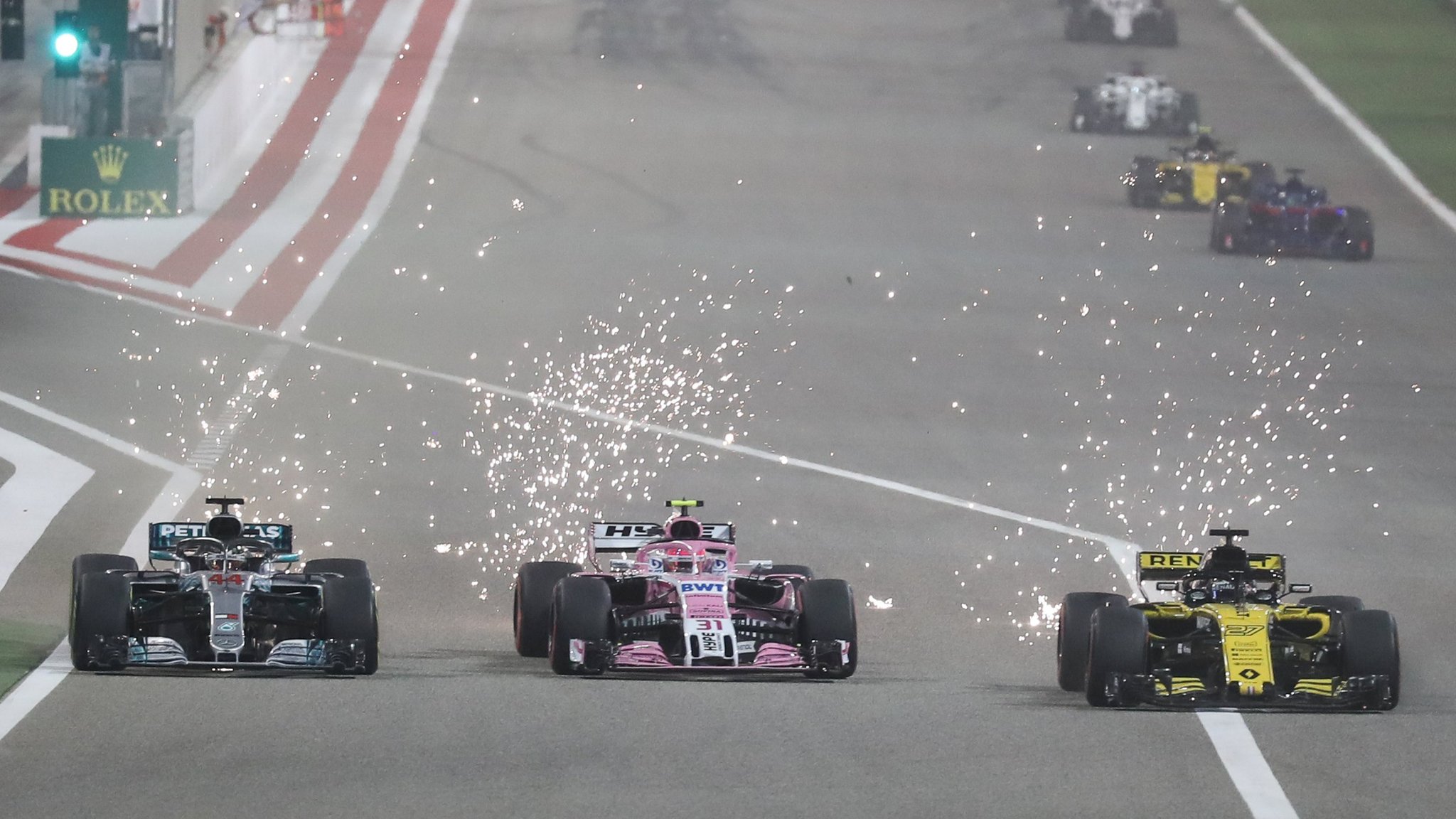
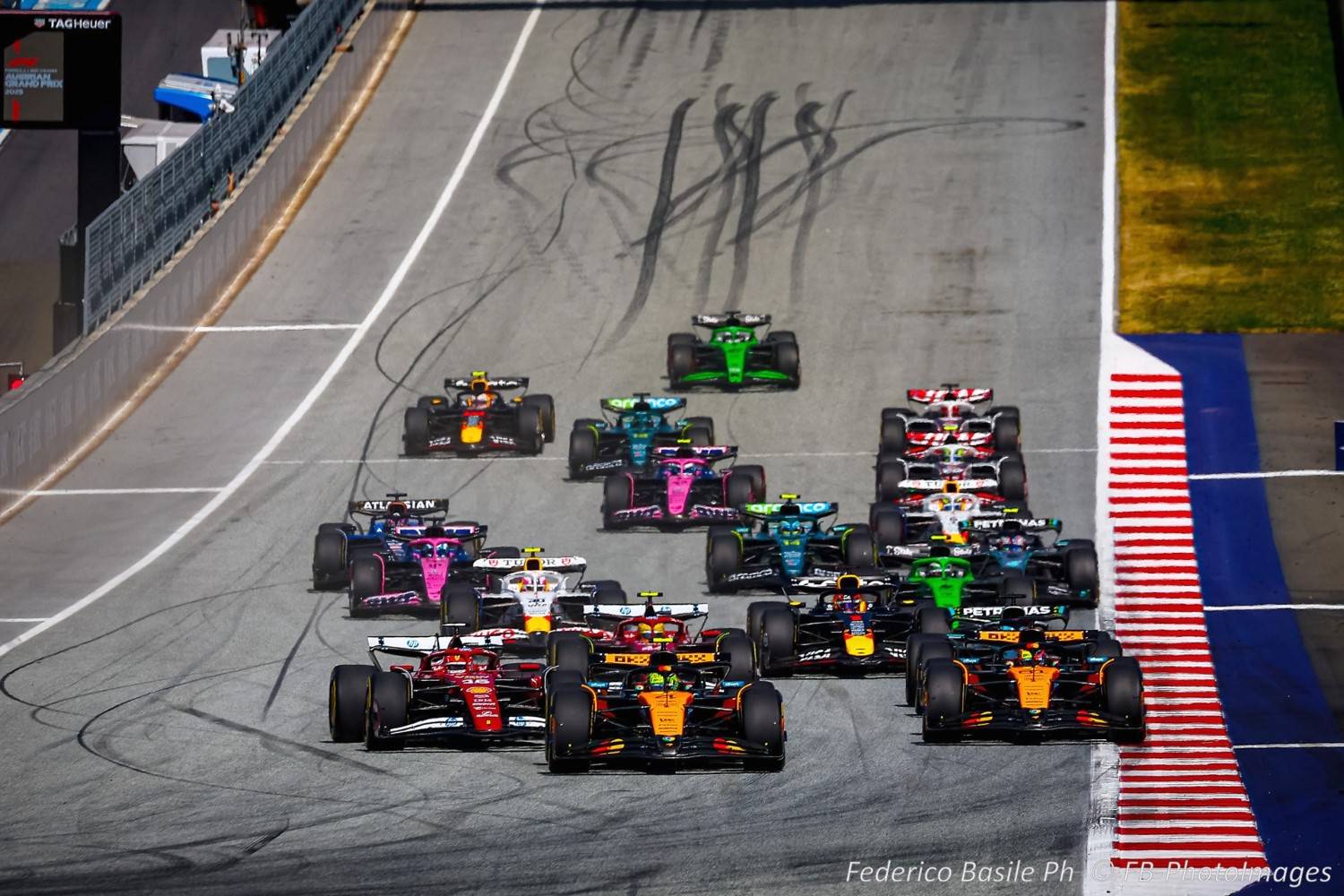
The 2026 Formula 1 rule changes mark another major shift in design philosophy, aimed at improving racing quality and reducing aerodynamic dependence. With new power unit regulations and revised aerodynamics, the FIA continues its effort to allow cars to follow each other more closely through corners and increase overtaking opportunities.
At high speeds, cars still generate turbulent ‘dirty air’ that destabilizes those behind, but the updated chassis and bodywork rules now emphasize cleaner airflow and greater energy efficiency. The 2026 regulations introduce simplified front and rear wings, active aerodynamics, and a more compact ground effect system to balance performance with sustainability. Together, these features help maintain downforce when following another car while complementing the efficiency of the new hybrid engines.
- Active aerodynamic elements adjust in real time to reduce drag on straights and increase grip in corners.
- Refined ground effect tunnels stabilize airflow beneath the car while minimizing turbulence behind it.
- Tire compounds are engineered for better thermal resilience during extended close racing.
- DRS remains, but with reduced influence due to new aerodynamic and energy recovery systems.
These changes aim to enhance wheel-to-wheel racing while aligning Formula 1 with its 2030 net-zero carbon goals. As always, the FIA closely monitors team innovations to ensure competitive balance and sporting fairness.
References: FIA 2026 Technical Regulations; Formula1.com; Motorsport.com.