How do F1 drivers survive crashes at high speed?
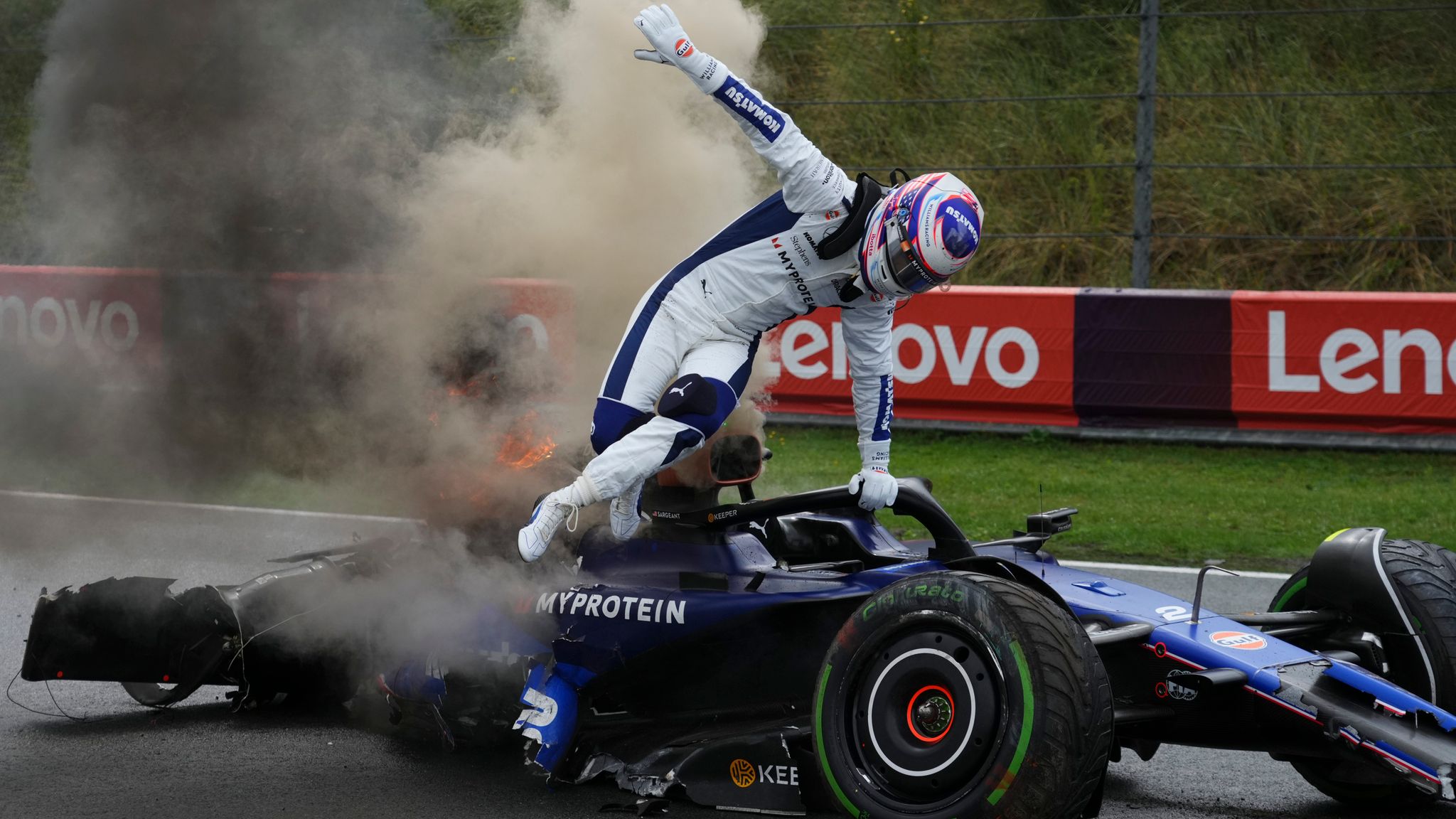
Formula 1 drivers survive high-speed crashes thanks to a combination of advanced car safety features and strict safety protocols. Modern F1 cars are designed to absorb impact and protect the driver.
Key safety features include the Halo device, a strong titanium ring around the driver's head, and crash structures that absorb energy during an accident. Cars undergo rigorous crash testing to meet safety standards. The tracks have high-tech barriers like TecPro walls that reduce impact forces. Drivers also wear fire-resistant suits, helmets, and HANS devices to prevent injuries.
- The Halo device is a titanium support around the head, reducing risk from debris and collisions.
- Crash barriers and barriers like TecPro walls absorb impact energy.
- Cars are built with crash structures tested to strict FIA standards.
- Drivers wear protective gear including fire suits, helmets, and HANS devices.
These safety measures, combined with continuous safety research, help ensure drivers' safety even during high-speed crashes. Advances in technology continue to improve safety in Formula 1.
References: FIA safety standards; F1 technical regulations; team safety reports; motorsport safety studies.