Can Formula 1 teams copy successful designs legally?
Formula 1 teams frequently study competitor designs, and yes, copying is legal within strict limits set by the FIA Technical Regulations.
The core rule is simple: if a design is not specifically patented or protected, competitors can copy it once it appears on track. This creates an interesting dynamic where innovation spreads quickly across the grid. Teams employ specialists who analyze rival cars from every angle, sometimes spotting improvements that become standard within weeks.
However, there are important boundaries. Teams cannot reverse-engineer using proprietary methods or gain unfair access to confidential information. The regulations explicitly define what components teams can and cannot modify, which indirectly protects certain design concepts. If an innovation violates these technical rules, copying it is illegal regardless of whether it works well.
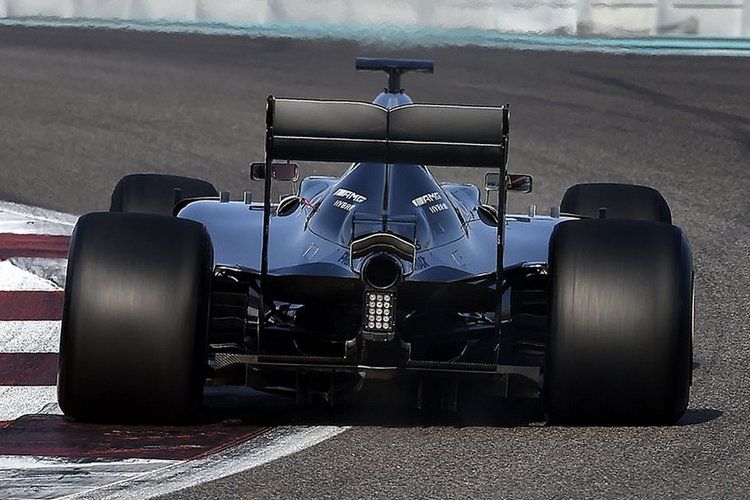
The famous copying moments in F1 history often involve aerodynamic solutions. When one team finds a clever bodywork shape or front wing design that stays within regulations, others can legally adopt similar approaches. This is why you often see multiple teams running near-identical solutions mid-season.
Patents offer some protection, but only if the innovating team registers them in relevant countries. Most F1 innovations aren't patented because the technical regulations change yearly, making patents impractical. Teams rely instead on speed: getting a design to perform well before competitors fully understand and copy it.
The real competitive advantage comes from understanding not just what competitors build, but why they built it that way. A team might copy a front wing design perfectly but fail to nail the setup that makes it work. That's where expertise separates leading teams from the rest.
References: FIA Technical Regulations; Motorsport.com; Formula1.com.